G U E S T V I E W
Global Warming: It’s the Snow, Stupid
Judith SwiftHere is today’s Qwik Qwiz: What is more indicative of global warming? A) Blizzards, tons of snow and freezing temperatures along the Eastern seaboard; or, B) Vancouver having such unseasonably high temperatures and lack of snowfall for the Winter Olympics that they had to truck snow in like coals to Newcastle?
If that knee was jerking in the direction of British Columbia, sorry, but you picked the wrong door.
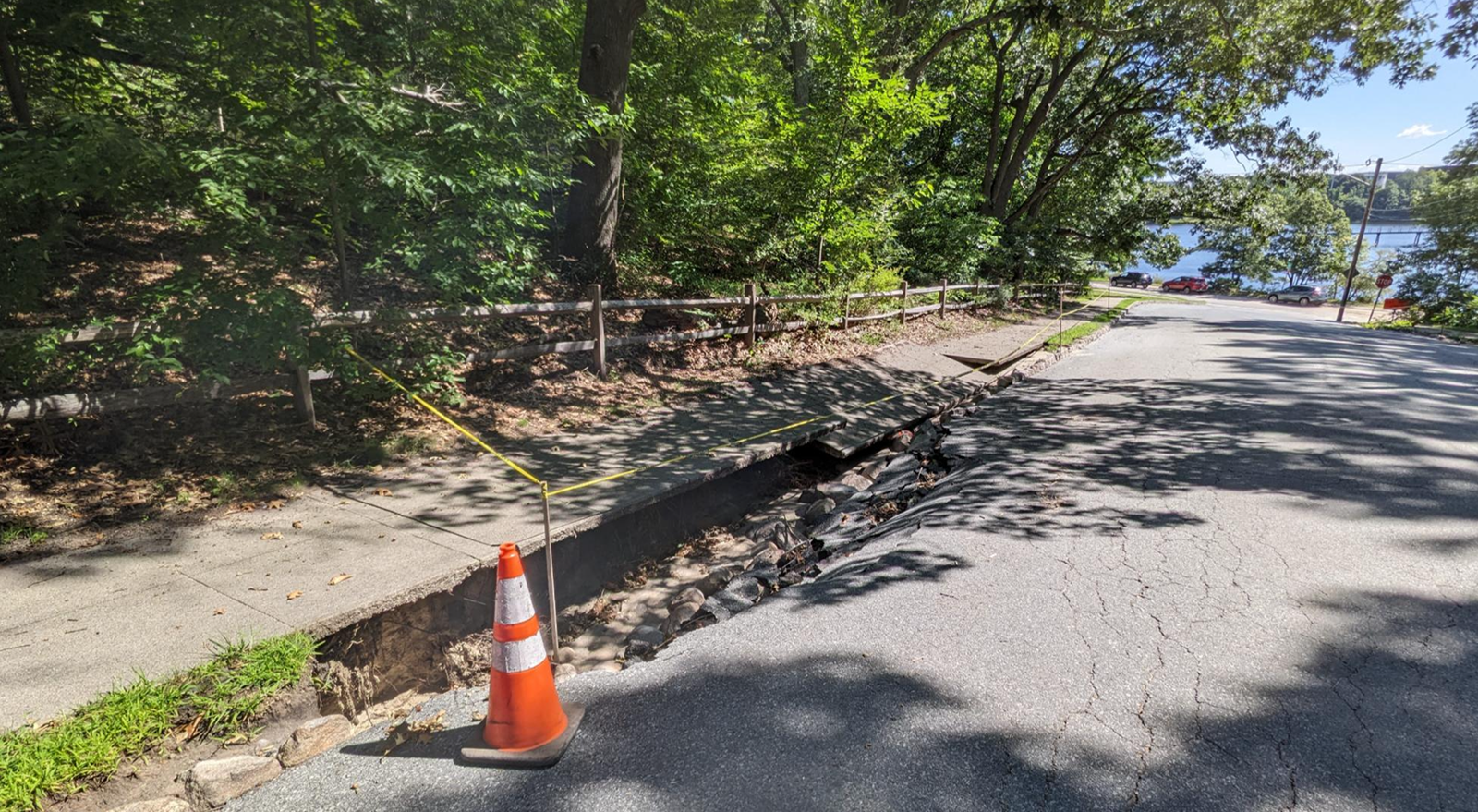
While you have all doubtless heard someone snarkily say during the Eastern blizzard bonanza, “Well, how about that for global warming?” it is the severity of these winter storms that is much more indicative of climate change — of which global warming is an integral part — than an occasional mild winter in the Pacific Northwest. And that goes double in the East for the heavy rains and flooding we just endured.
A recent article in Time magazine explained this seemingly contradictory point in about as clear a meteorological explanation as a layperson can handle. This is what recent higher average temperatures worldwide mean on a grander scale: “(H)otter air can hold more moisture, so when a storm gathers it can release massive amounts of snow. Colder air, by contrast, is drier; if we were in a truly vicious cold snap … we would be unlikely to see heavy snowfall.”
Let’s think this through. Climate change does not occur between New Year’s Day and President’s Day. It’s long-term, and so are its subtle changes — provided you call record snowfalls from Richmond, Va., to New York City a nuanced message.
New York Times columnist Thomas Friedman recently called the climate change “global weirding.” That’s a very good term. It gets away from hearing some know-it-all question global warming because he’s on the business end of a snow shovel. Friedman points out how large, generally unexpected swings in weather — hotter, drier, wetter — are and will be the signature of global climate change.
The late Gonzo chronicler of his time, Hunter Thompson, was famous for saying, “When the going gets weird, the weird turn pro.” Well, with all due respect to the scientific community, they are the pros who understand why things are getting weird. They have been trying to tell us that for years, but usually get shouted down by paid coal and oil industry public-relations men and lobbyists, or by the likes of Sen. Daniel Inhofe, R-Okla., who stated in an interview with Grist —“A Beacon in the Smog”— that the Intergovernmental Panel on Climate Change and the United Nations are motivated by money to perpetrate this hoax, because “(I)t’s very clear that when you have the U.N. behind it, and you have all the Hollywood people moving in, you have the Heinz Foundation, that’s John Kerry’s wife — a lot of very wealthy people …” Well, you get his point. Ketchup money is behind it all.
In fact, it appears that despite all the data brouhaha, these climatology professionals that make up the membership of the IPCC have actually been conservative in their projections. Sea level rise appears to be going to have a much larger and more immediate impact than projected, as the Arctic ice cap and Greenland ice sheets are melting faster than expected.
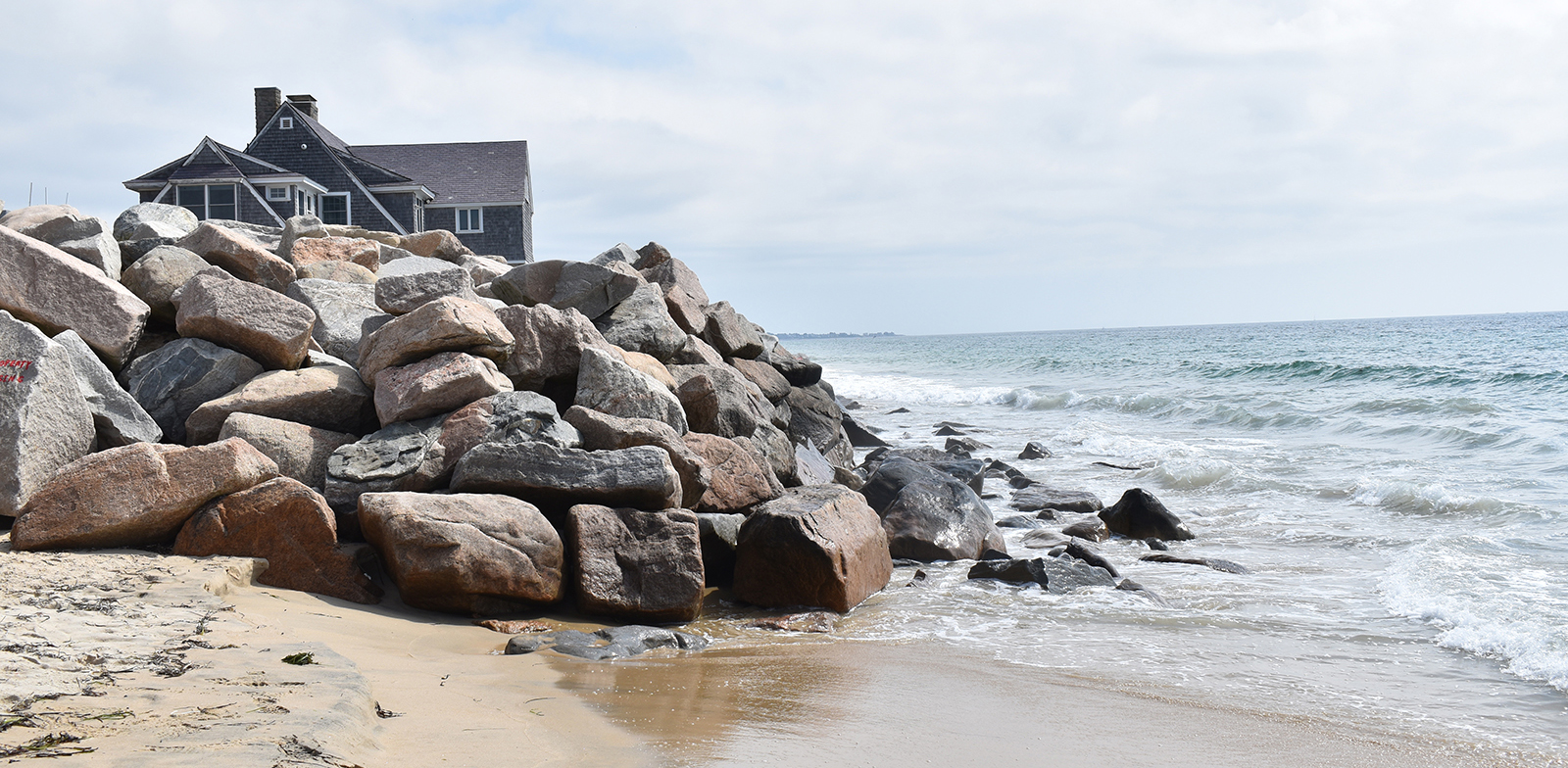
To bring it home to the current generation of Rhode Islanders, your grandchildren will be asking from the knolls of Point Judith Road, “Is that where Scarborough Beach used to be, Granddad?” Grandma will tell them to put on their bathing suits so they can go shopping at Providence Place Mall.
But today’s dads and moms and their children have the ability to become members of a “Greatest Generation” when it comes to dealing with environmental problems. In the past 20 years, support for improved water quality, protection of open spaces and just “green” issues in general is much stronger than ever before. We can take pride in that Rhode Island has always had a terrific track record on preservation of open space and other green issues.
And now this “Greatest Environmental Generation” has a chance to make an impact by tackling global climate change issues so they won’t have to answer those questions about missing seashores or put the kids in bathing suits because they will be knee-deep in Waterplace Park overflow. It is just a simple case of paying attention to what those pros who understand “global weirding” are saying and take their recommended actions to curtail it.
Mother Nature is as good as a riverboat gambler, so next time she makes it look like an easy bet —“You’ve got Vancouver? I’ll take the blizzards and raise you.” — think twice. Or just look out the window at the white stuff all around you or the overflowing rivers, and start thinking, “Hello, global warming.” And then do something about it.
Judith Swift is the director of the Coastal Institute at the University of Rhode Island.
Wednesday, March 3, 2010 at 4:57PM