
Rhode Island Harnessing Ocean Breezes for Energy
June 21, 2010
Share


The proposed Deepwater Wind project off Block Island has certainly been a topic of much discussion in Rhode Island during the past few years, and with good reason. Although the economic (renewable energy) and environmental (reduced carbon emissions) benefits to the state are evident, there are still many hurdles for this project to overcome.
Concerned environmentalists point to the disruption of the seafloor, namely squid and flounder habitat, which the dredging and trenching associated with such a project would require, as a deal breaker. Economic watchdogs say the money involved in the massive infrastructure upgrades necessary at the Port of Quonset and the, some would say exorbitant, price agreed upon for the power generated by such a project make it financially impractical. Fans of ocean vistas believe such a wind farm would ruin the view, thus, negatively impact tourism on Block Island.
Upon completion, the project would be expected to provide 1.3 million megawatt-hours of electricity a year — about 15 percent of all electricity used in the state. The project is expected to cost about $1 billion to build and would be financed entirely from private investment sources.
The project would be completed in two stages, with the first part to be sited in state waters and the second to take place in federal waters. The second phase, planned for federal waters off Rhode Island, will follow the first phase, the New Shoreham Offshore Wind Project. Deepwater is focusing on developing the first phase for the time being, and anticipates the entire project could be completed in three to four years.
Wherever you stand on the issue of the proposed offshore wind facility, one thing is certain: wind power is already being consumed in the Ocean State.
Anyone who drives Interstate 95 through Warwick has noticed the turbine on the New England Institute of Technology campus. This 1,100-kilowatt turbine contributes almost all of the electricity necessary to power the school’s automotive tech building.
The Portsmouth Abbey School’s 660-kilowatt turbine produces about 40 percent of the school’s electricity, saving about $200,000 annually, and has already paid for itself in the four years since its construction.
The town of Portsmouth, seeing the success of the Abbey School’s turbine, got in on the act and erected a 1.5-megawatt turbine at Portsmouth High School, which will provide about 75 percent of the town’s municipal power.
Middletown has erected a small 100-kilowatt turbine to provide 60 percent to 70 percent of the power needs for the Easton Pond Business Center.
The construction of Narragansett’s new Salty Brine Beach bathhouse, by the Rhode Island Department of Environmental Management, included a 10-kilowatt residential turbine to generate the necessary electricity for the bathhouse, and couples that turbine with solar hot water heaters for the showers.
Rhode Island residents also are realizing the benefits of wind power. In February, John and Susan Wallace put a 1-kilowatt vertical axis wind turbine on their three-story home in Middletown. Their vertical axis turbine rotates at a much slower rate, creating less noise, and can capture wind blowing in any direction, as opposed to the horizontal axis variety, which has to face the direction of the wind to rotate. The cost of the project was less than $9,000, including installation, and is expected to generate about 25 percent of the home’s electricity needs.
These are just the already-operational wind power projects in Rhode Island. Several other wind power projects are in development.
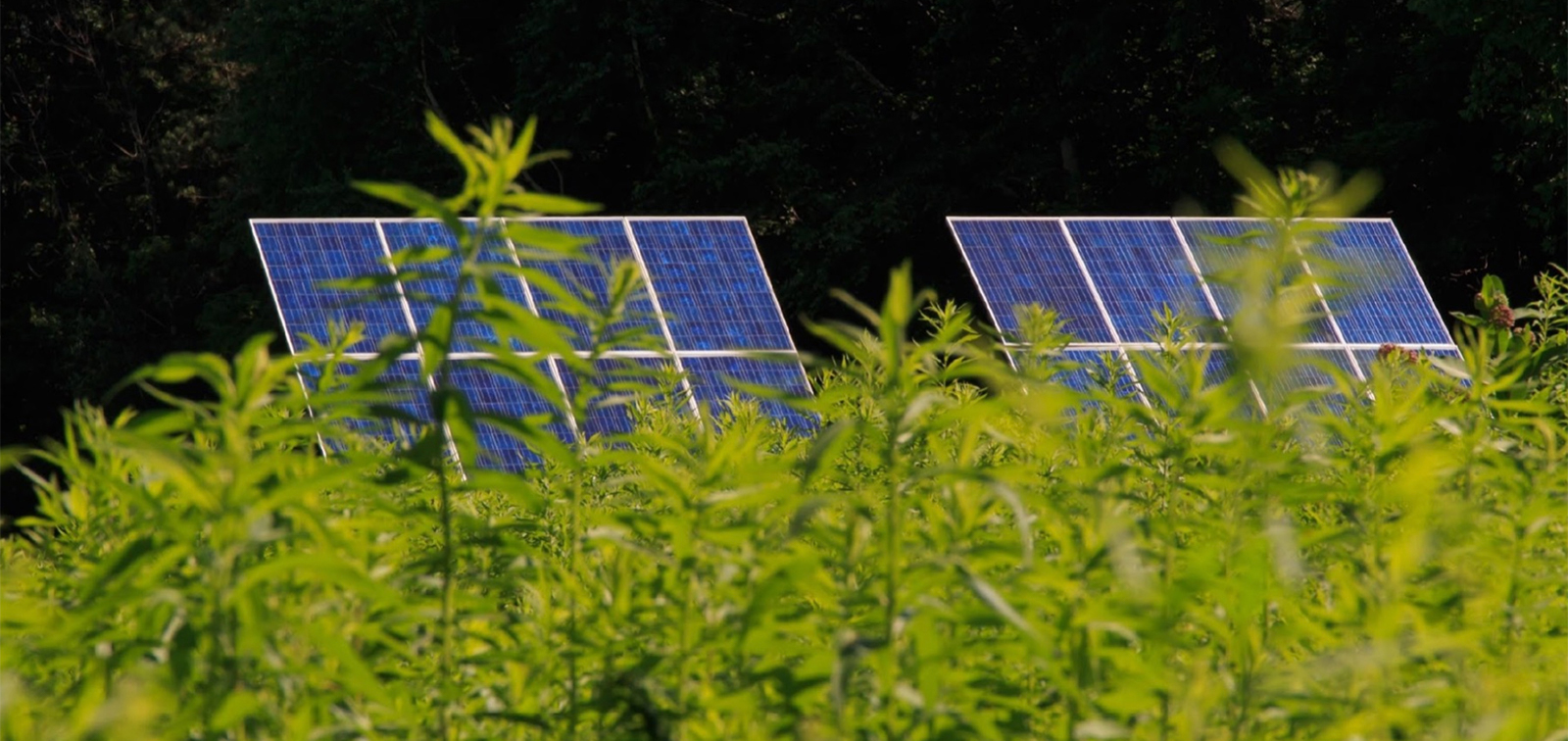
Rhode Island Housing has approved a $15 million financing package for Sandywoods Farm, an arts and agricultural community to be built in the northeast corner of Tiverton that will consist of 50 rental cottages, 24 single-family homes and a 22-acre working farm — all to be powered by wind turbines and solar panels.
The Eco Industrial Park of Rhode Island in Tiverton is developing a 24,000-kilowatt wind farm. The Narragansett Bay Commission is developing a 5,000-kilowatt turbine that will generate up to 5 megawatt-hours of electricity annually. The Raytheon Corp. has proposed a project consisting of two 1.5-megawatt turbines on its Portsmouth campus. They are expected to be operational this year.
A number of early stage offshore initiatives also are in the works in Rhode Island by companies such as Blue Water Wind, Blue H and Grays Harbor Ocean Energy Co. at still-to-be-determined sites.
Other municipalities and institutions that are studying wind power projects include Bristol, Jamestown, Smithfield, North Smithfield, North Kingstown, South Kingstown and the University of Rhode Island. The town of Barrington recently completed a study and found that wind power is not feasible within town limits.
It seems that, when it comes to the question of energy independence for Rhode Island, to quote Bob Dylan, “the answer is blowin’ in the wind.”
Categories
Join the Discussion
View Comments

Your support keeps our reporters on the environmental beat.
Reader support is at the core of our nonprofit news model. Together, we can keep the environment in the headlines.